Salamandra s. fastuosa/bejarae

iberian_guest

New member
Joined
May 7, 2007
Messages
17
Reaction score
7
Points
0
Location
Spain
Country
Spain
Display Name
Rubén Martínez
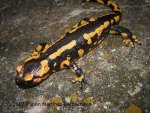
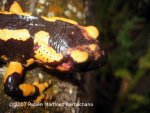
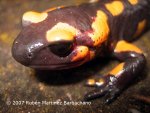
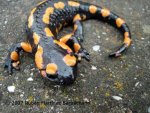
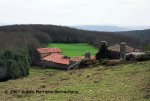
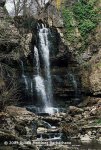
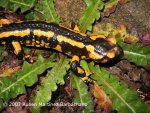
Some individuals and the biotope. In the contact zone of Salamandra salamandra fastuosa and bejarae we can find this variety, transition of both subspecies.
 

Attachments

  • beja1.jpg
    beja1.jpg
    127.6 KB · Views: 1,354
  • beja3.jpg
    beja3.jpg
    124.6 KB · Views: 1,505
  • beja4.jpg
    beja4.jpg
    117.4 KB · Views: 566
  • beja.9.jpg
    beja.9.jpg
    116.5 KB · Views: 578
  • beja.10.jpg
    beja.10.jpg
    117 KB · Views: 1,037
  • beja_biotop1.jpg
    beja_biotop1.jpg
    120 KB · Views: 608
  • beja_biotop2.jpg
    beja_biotop2.jpg
    129.6 KB · Views: 602
  • beja_biotop3.jpg
    beja_biotop3.jpg
    129.9 KB · Views: 612
Just beautiful, Ruben. You're very lucky :)
 
Very nice animals. You´re indeed one lucky person Ruben. I´m guessing from the description , those animals are from somewhere near where i live, which makes me wish i had a car....:(
 
Very nice!

In the US, we often see our salamandrids walking on the surface during the day in wet weather. Do you see similar behavior in Salamandra?

Thanks for posting.

Mike
 
Thanks to all...

The transitions varieties occurs in the cantabrian mountains of northern Spain (province of Burgos), in mixed forest between 700/1.400 m. of altitude.

Yes Mike, the salamanders have the same kind of behavior here, going out in rainy days (specially at night), together with Triturus marmoratus and M. alpestris cyreni often.
 
Just as i thought...those beauties are somewhere half an hour ago by car from home....:(
You really seem to know dozens of amazing places for a nice day of herping. I day dream of the day i´ll be able to go search for places like that....though with my luck i would only find cows :p
 
General chit-chat
Help Users
  • No one is chatting at the moment.
    There are no messages in the chat. Be the first one to say Hi!
    Back
    Top