Greatwtehunter
New member
- Joined
- Jul 1, 2008
- Messages
- 2,292
- Reaction score
- 96
- Points
- 0
- Age
- 44
- Location
- Roanoke, VA
- Country
- United States
- Display Name
- Justin
Here is part 2 which is everything we found on Sunday. If you missed part 1, it can be found here. The weather for this day was cold and windy but lord was it bright. We woke up to -1c temps and it didn't get much warmer as the day progressed, I think it only got up to around 2c as the high.
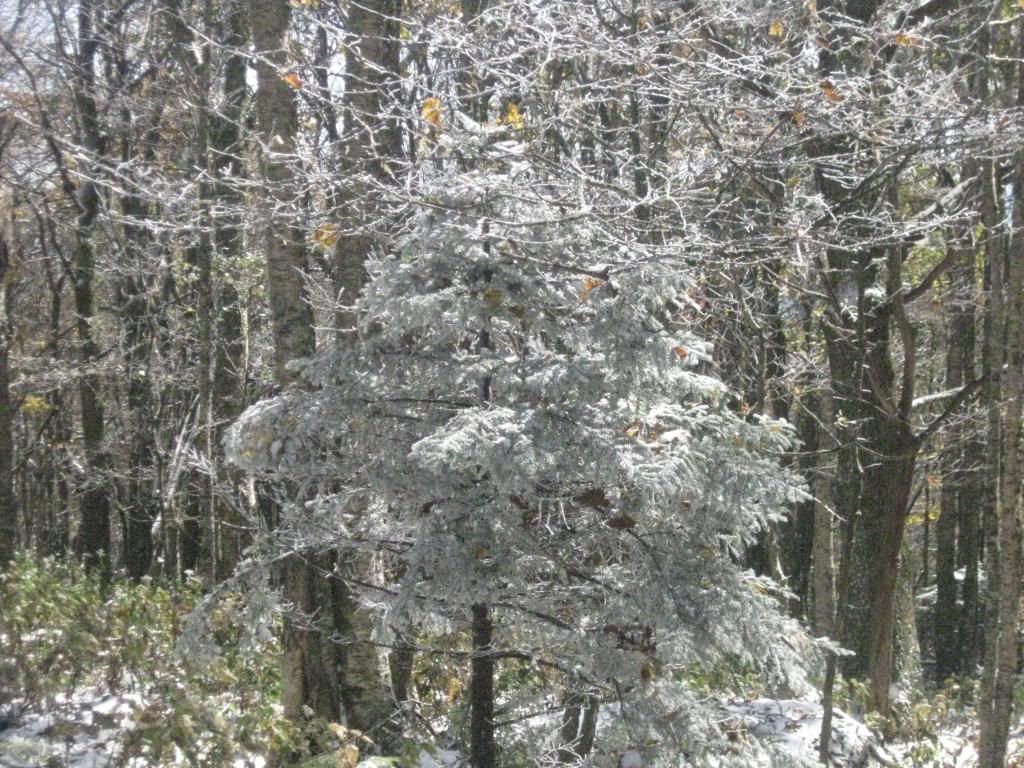
This is what we awoke to.
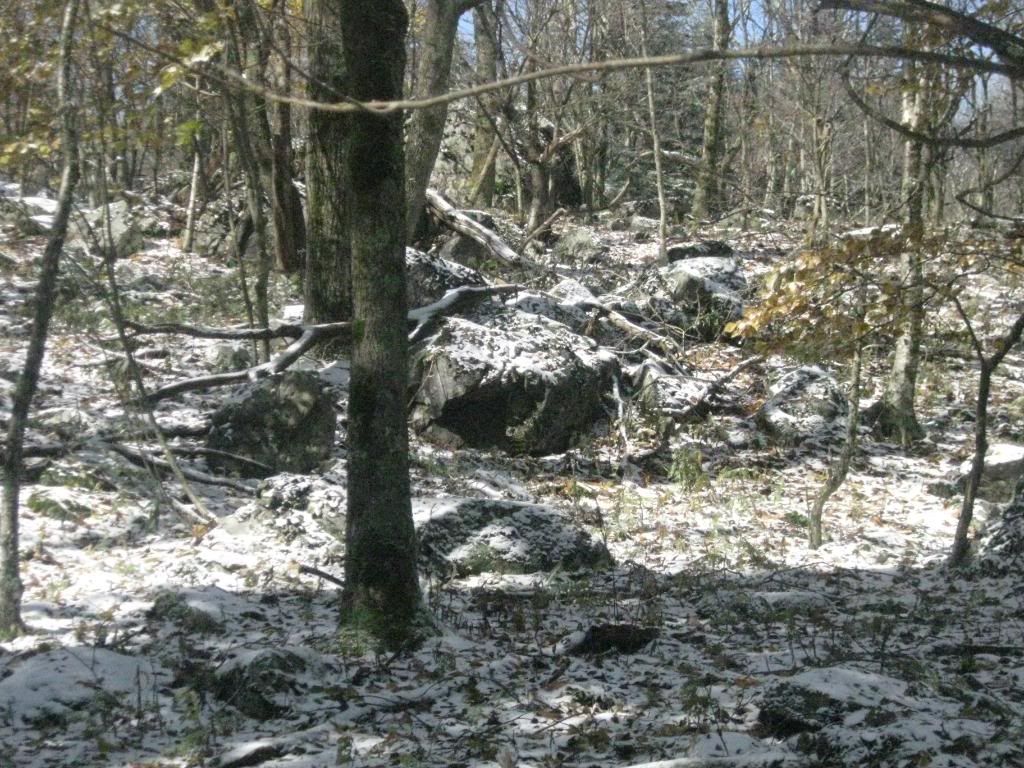
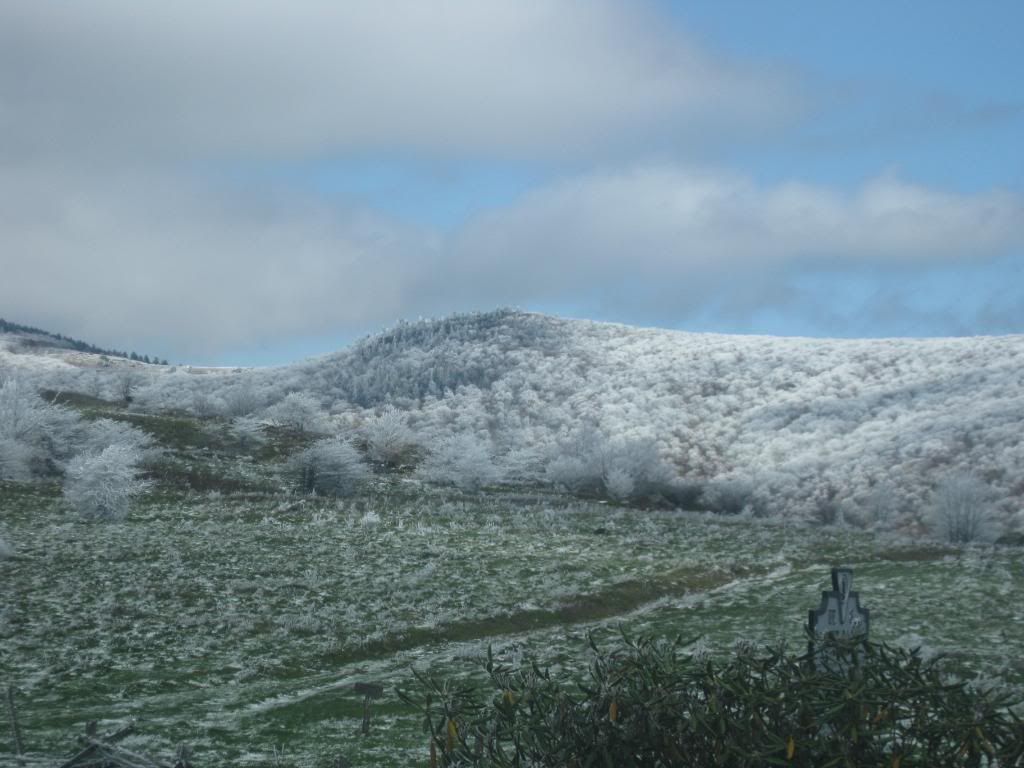
Now I'll be honest with you I didn't expect to find much if anything at all, but boy was I in for a pleasent surprise.
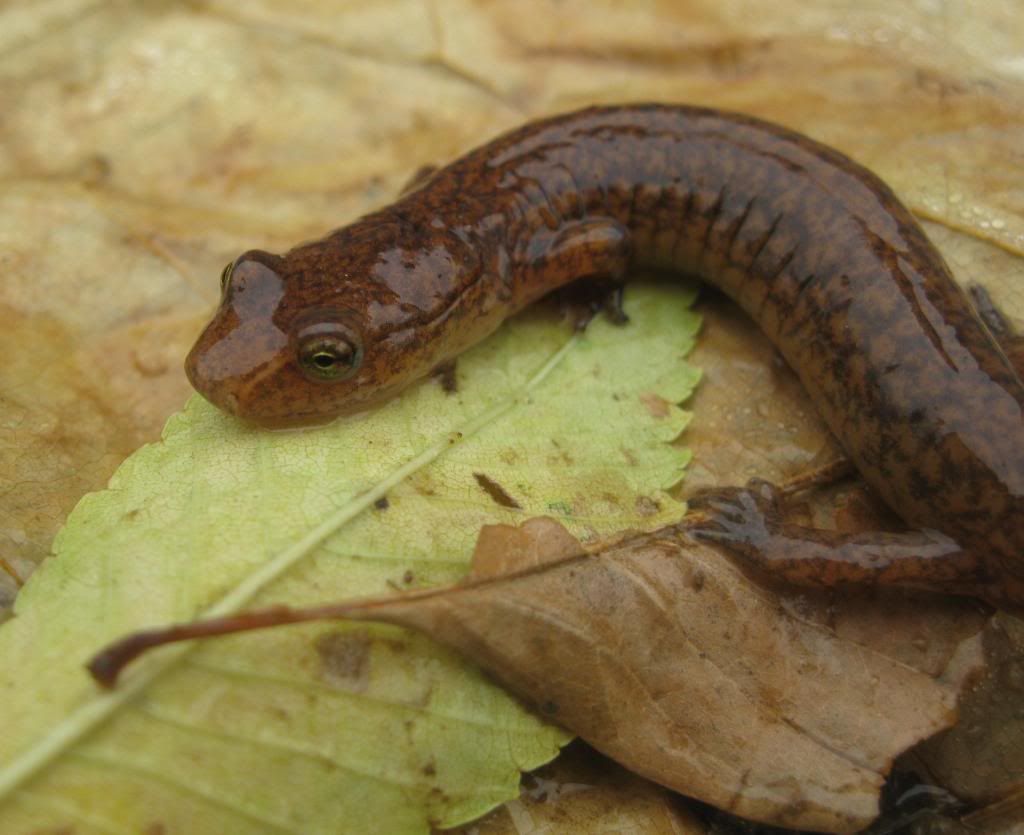
Once again we started the day out in some woodland habitat. The first rock I flipped of the day I found this Plethodon metcalfi (Southern Grey-cheeked Salamander). These are formerly of the P. jordani complex. Not a bad way to start the day eh?
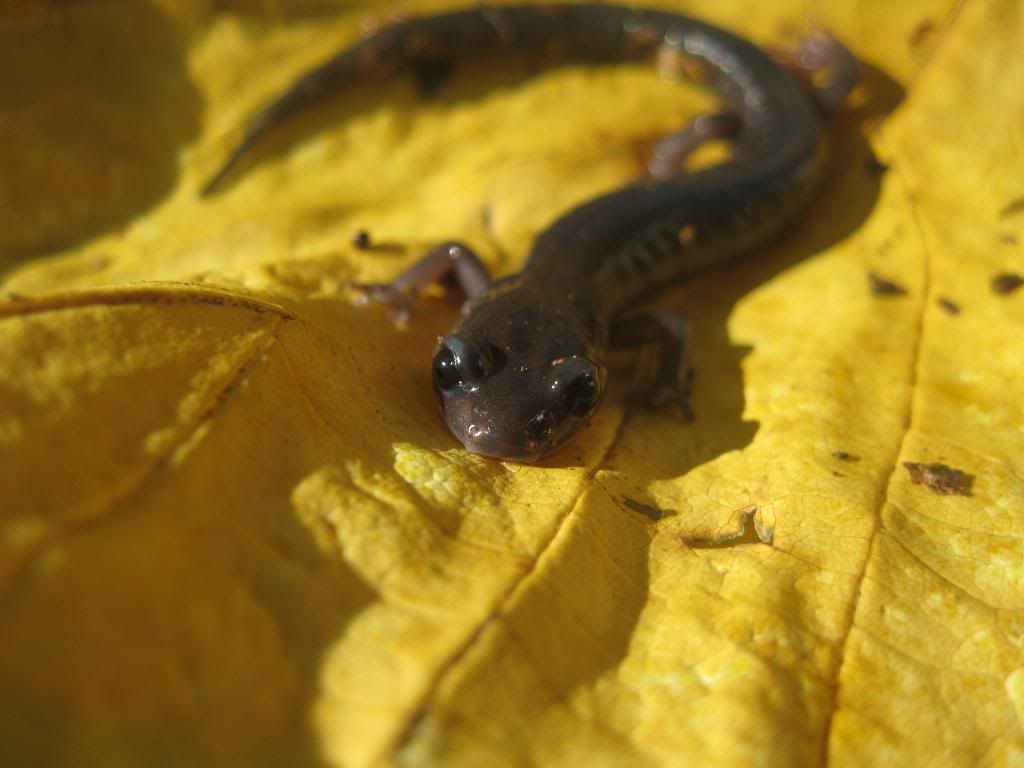
Pictures really don't do these guys justice.
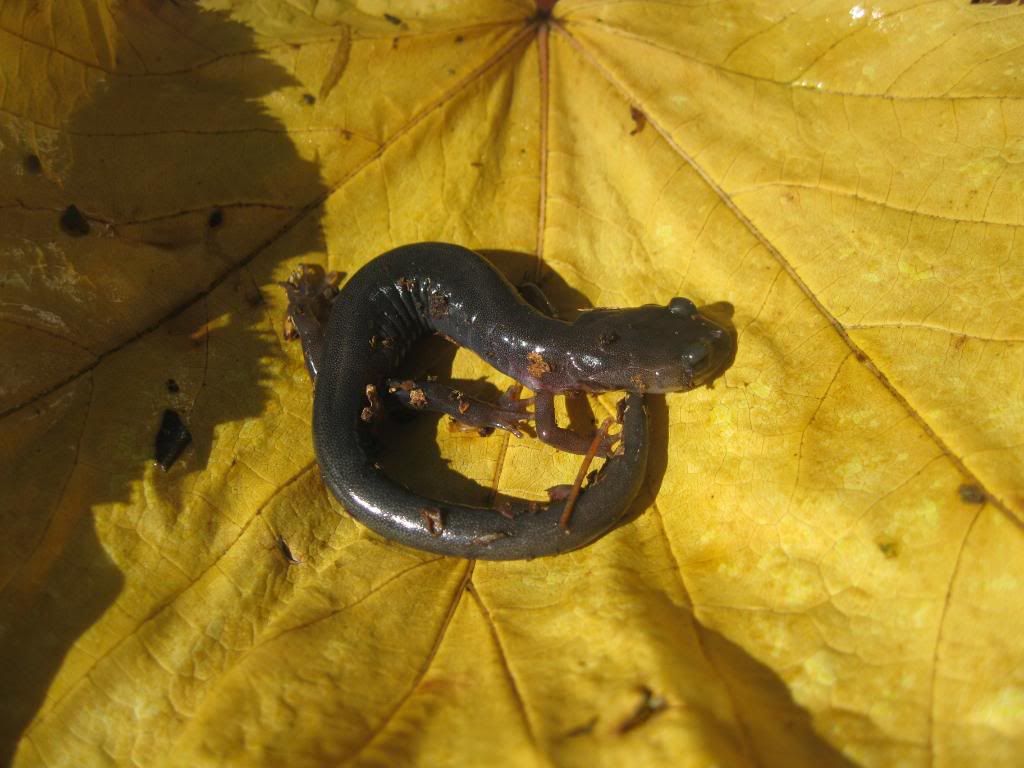
Finally found some adult Desmognathus fuscus fuscus (Northern Dusky Salamander).
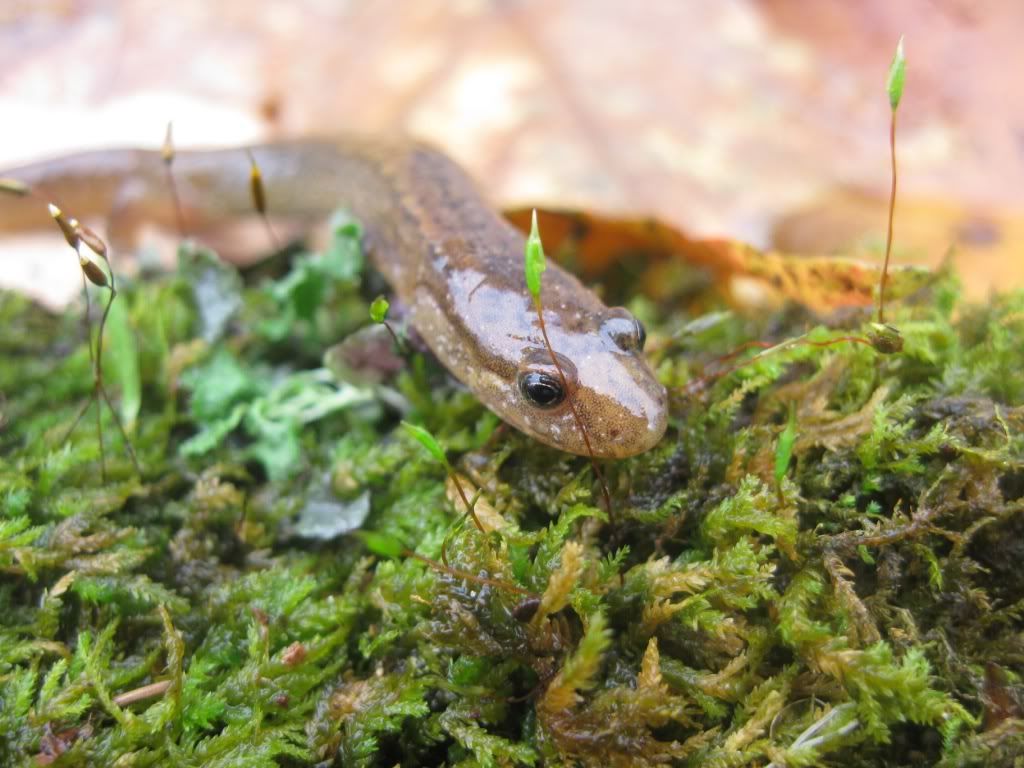
Of course Plethodon cinereus were everywhere.
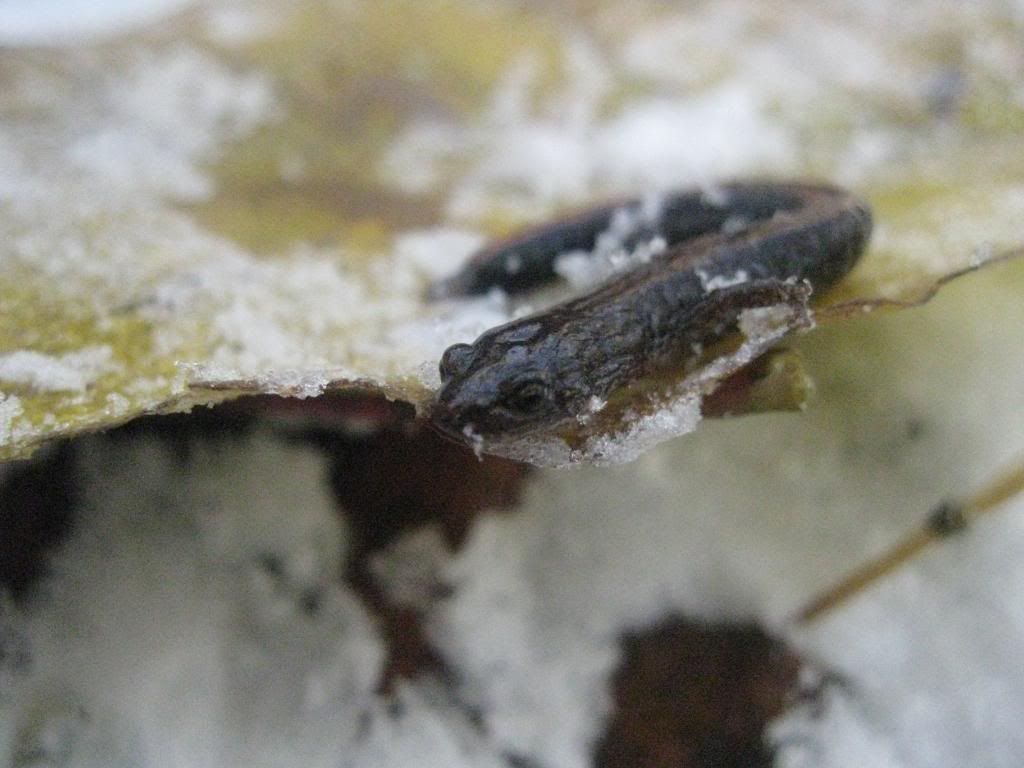
A couple of Plethodon glutinosus (Northern Slimy Salamander) decided to make an appereance. The only reason I am sure these are P. glutinosus is because they were found in a county were P. cylindraceus aren't know to occur in. Otherwise there isn't really any other way to tell the two species apart in the field. I really wish this guys face had been in focus.
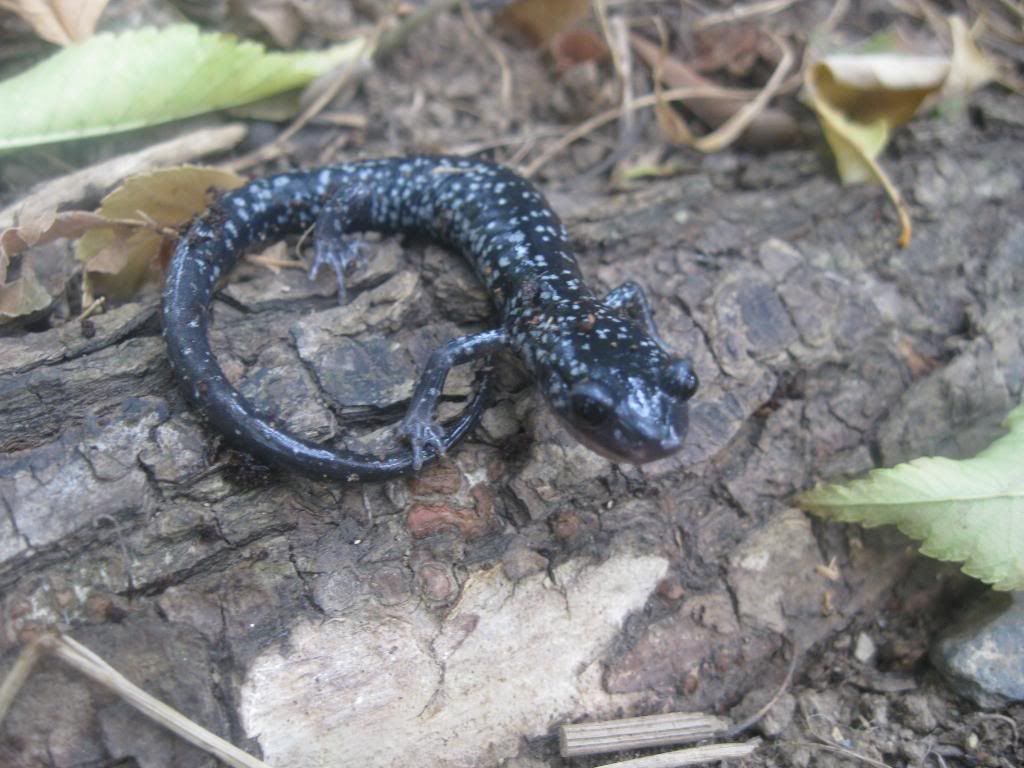
This P. glutinosus has to be the sickliest salamander I have ever found.
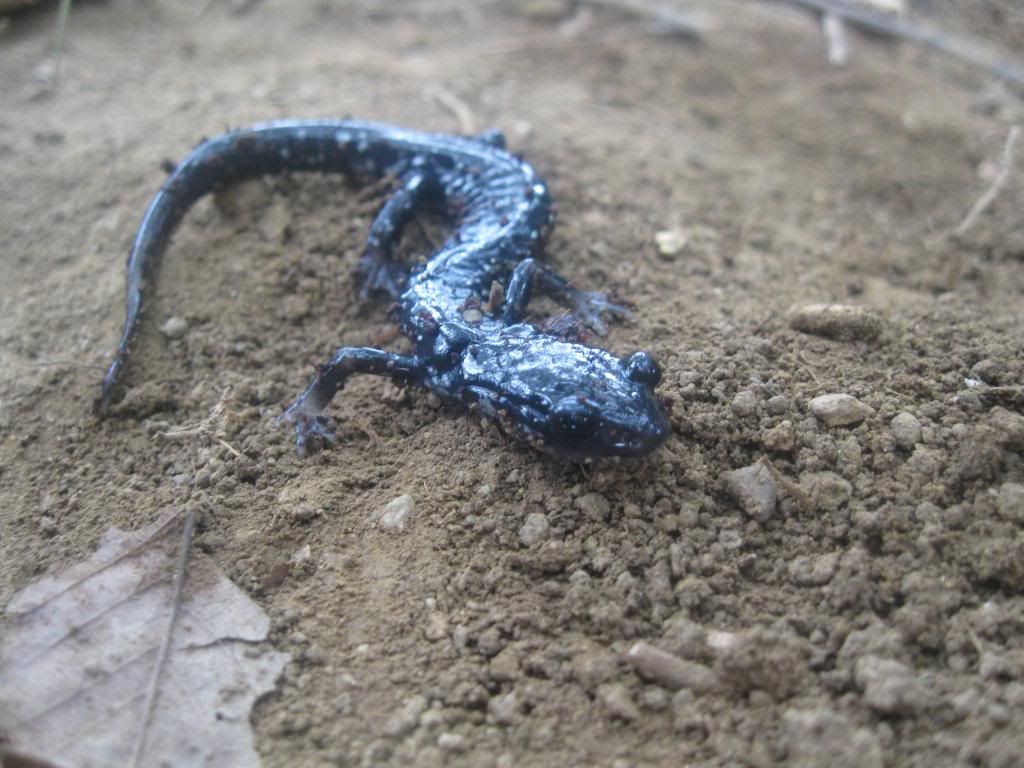
Among the many Eurycea wilderae we found in the area I found this cool looking, almost spotless variation.
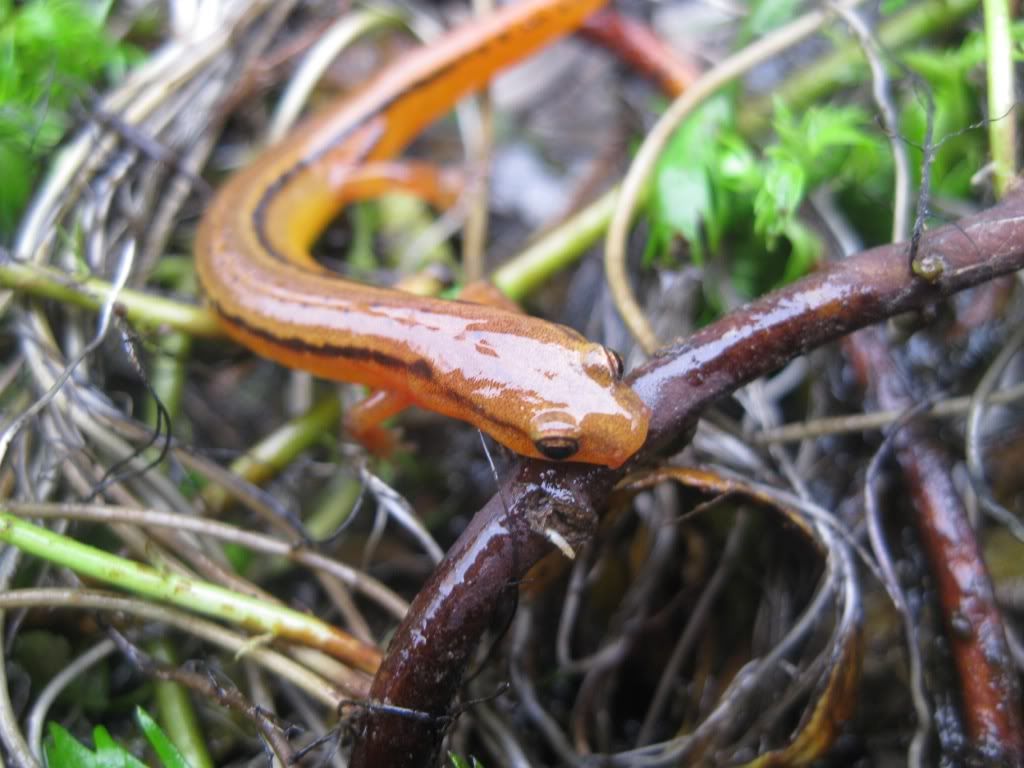
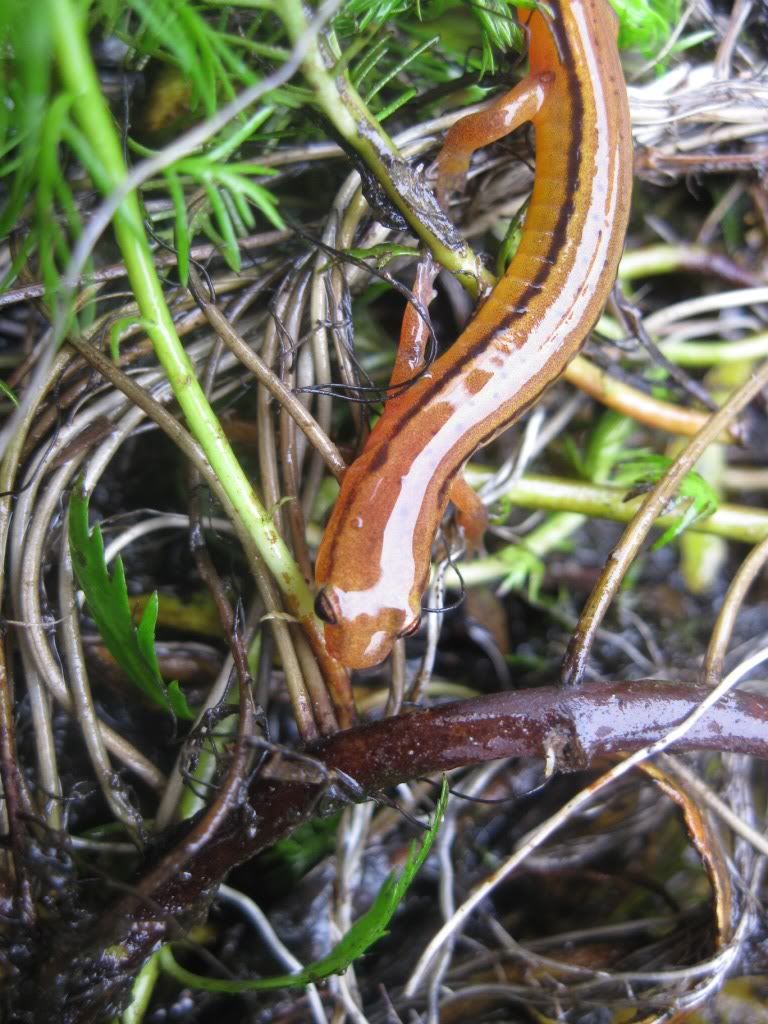
This Desmognathis fuscus conanti (Spotted Dusky Salamander) was a pain in the.... well you know what goes there. It just would not sit still for anything, guess he didn't like hanging onto that rock.
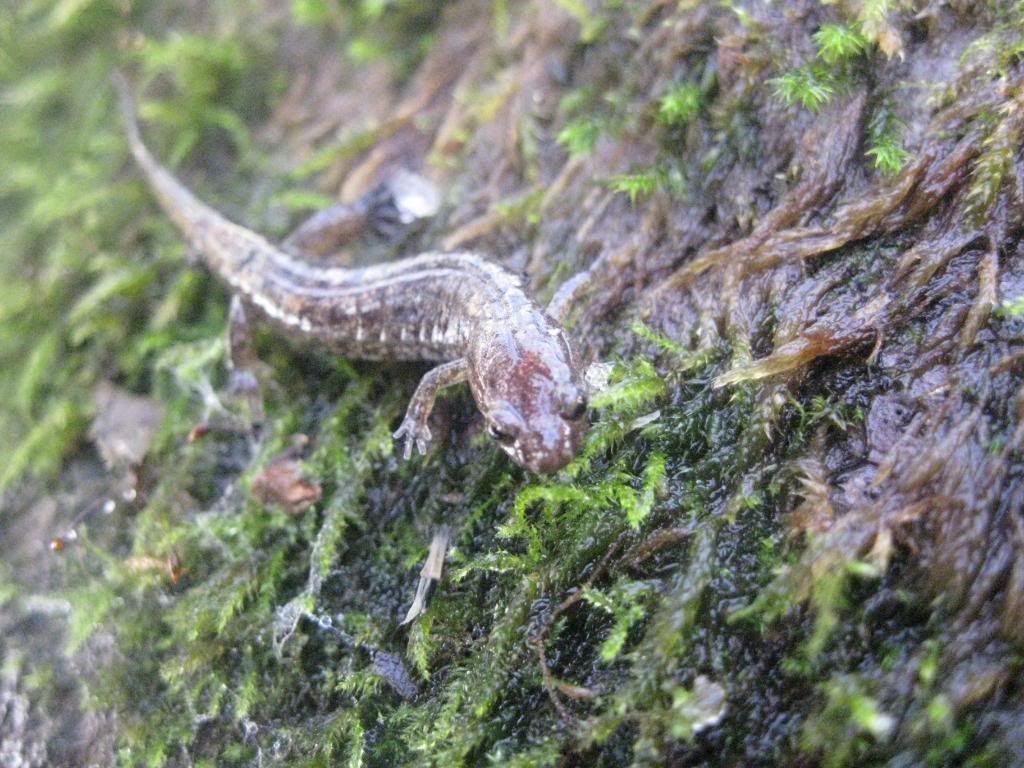
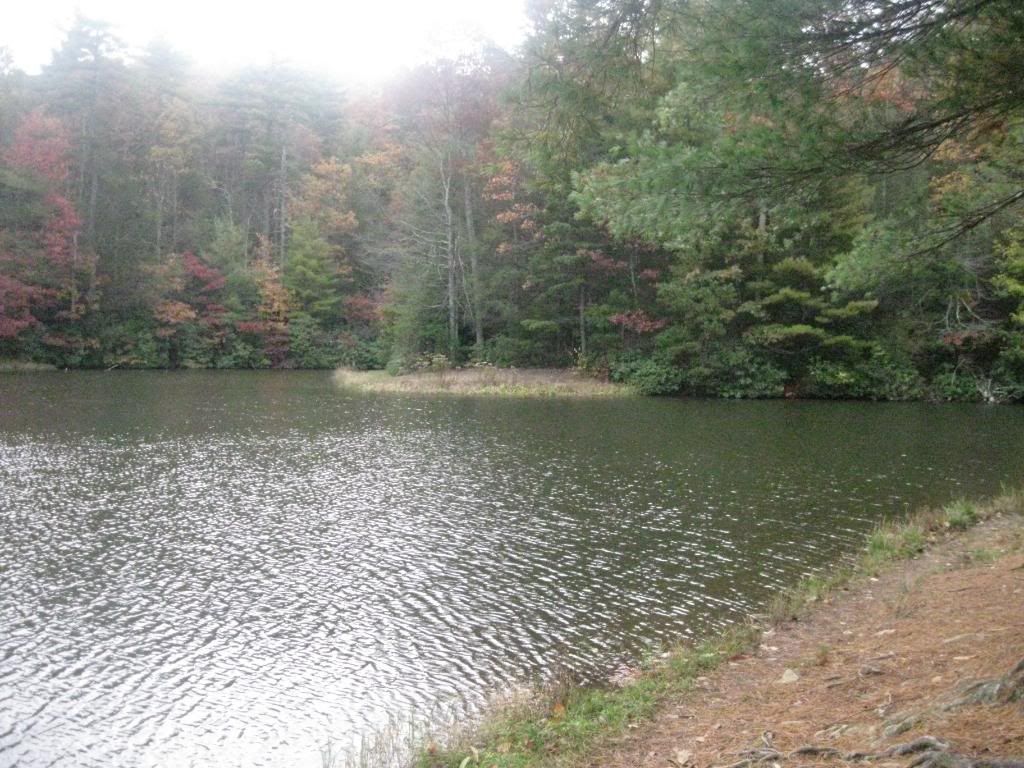
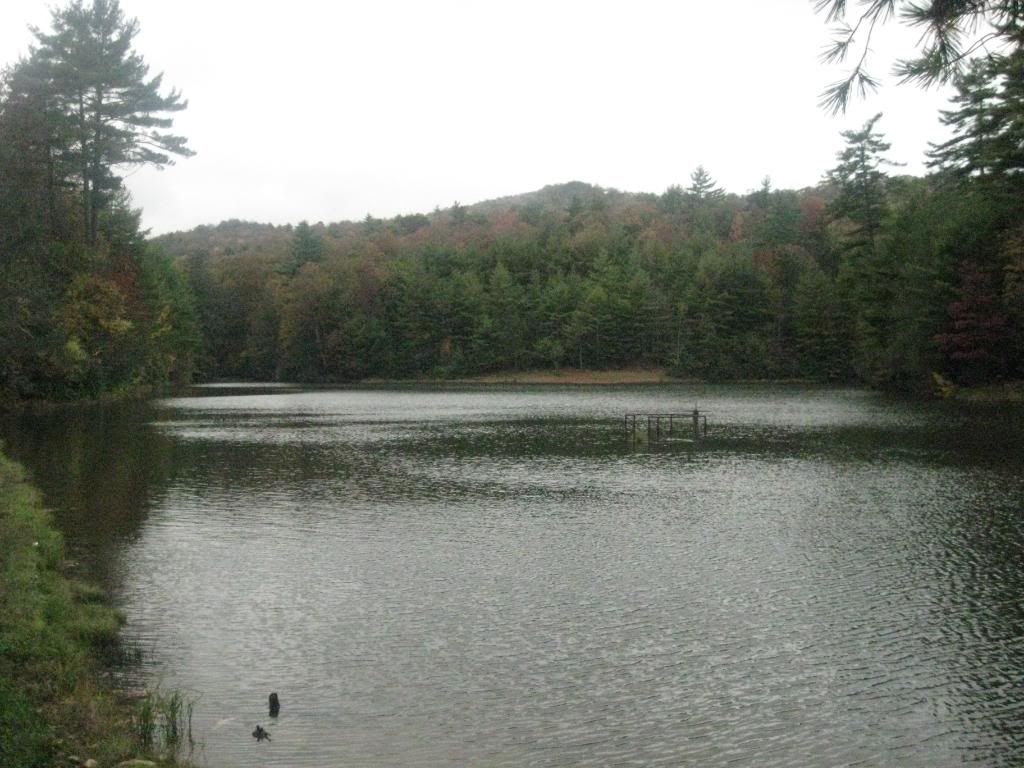
Now that the sun had been shining for a couple of hours and had melted off all the snow we decided to head to one of the local lakes and one of it's feeder streams.
Here is my little herping buddy Tyler with his container just waiting to get back to some action.

Sonya, known as lillizz on here, was flipping rocks along the bank of the lake and found this awesome Thamnophis sirtalis sirtalis (Eastern Garter Snake).
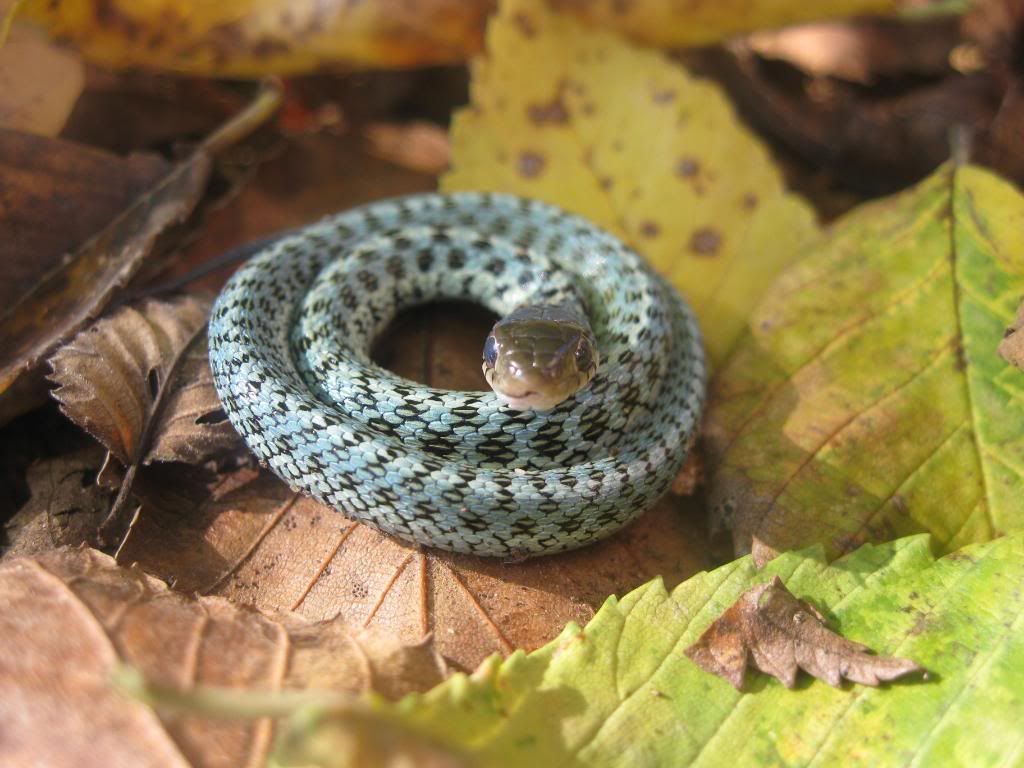
But wait, that wasn't the only snake found that day. I flipped this Regina septemvittata (Queen Snake) about an hour later.
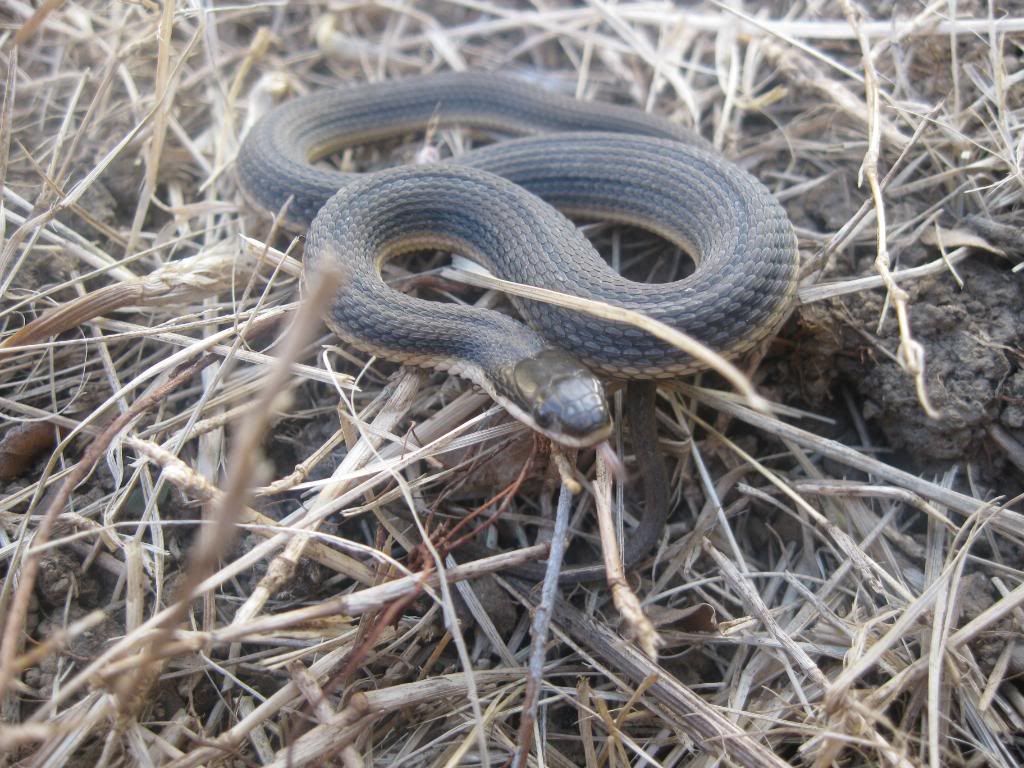
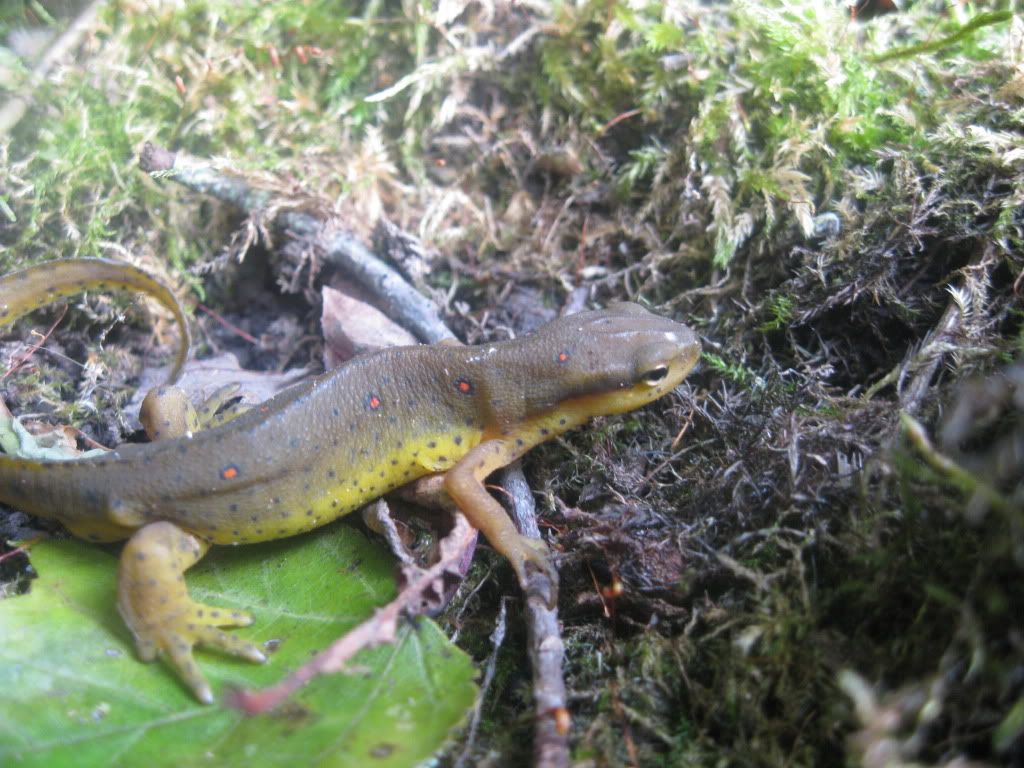
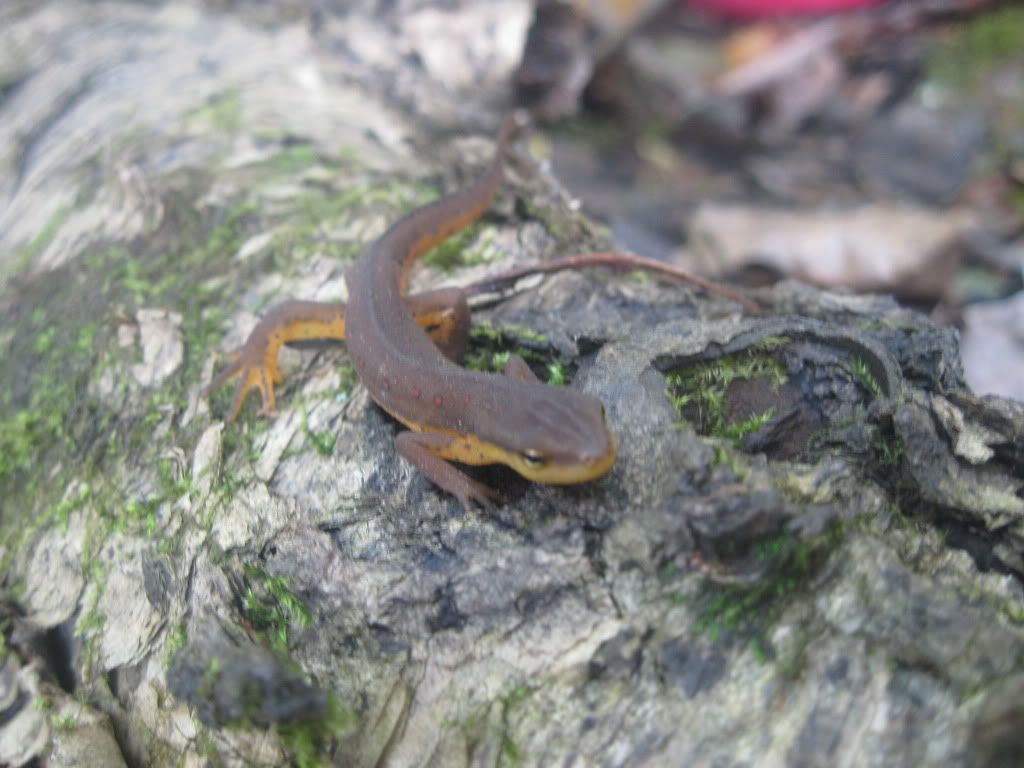
At one point while the kids were playing in the woods just off the lake bank they started hollering they found newts EVERYWHERE! Sure enough there were what seemed like hundreds of adult Notophthalmus viridecens viridescens (Eastern Newts) just wandering about on the forest floor without a care in the world. You actually had to watch where you stepped just so you didn't step on any.
Once we finally made it to the feeder creek we started finding Desmognathus orestes (Blue-Ridge Dusky Salamander). This one had quite a noticeable pink tint to it's head.
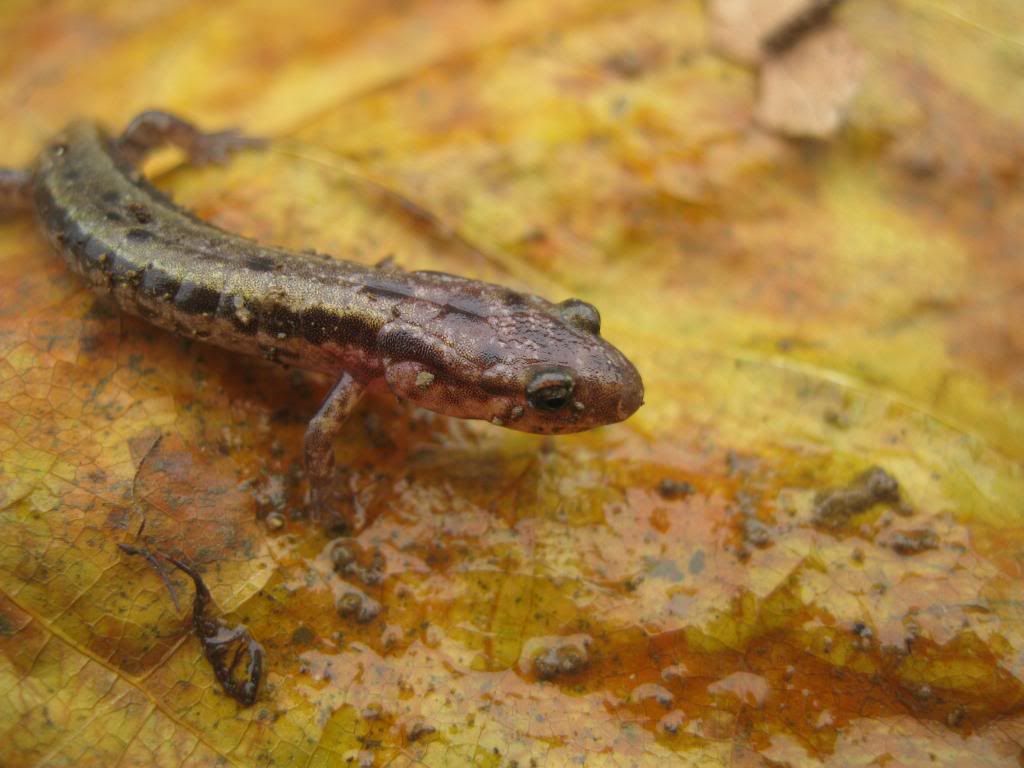
We also found more Desmognathus ochrophaeus (Mountain Dusky Salamander). These guys had a different pattern altogether than the ones we had previously found on Saturday. Just goes to show how variable this species is.
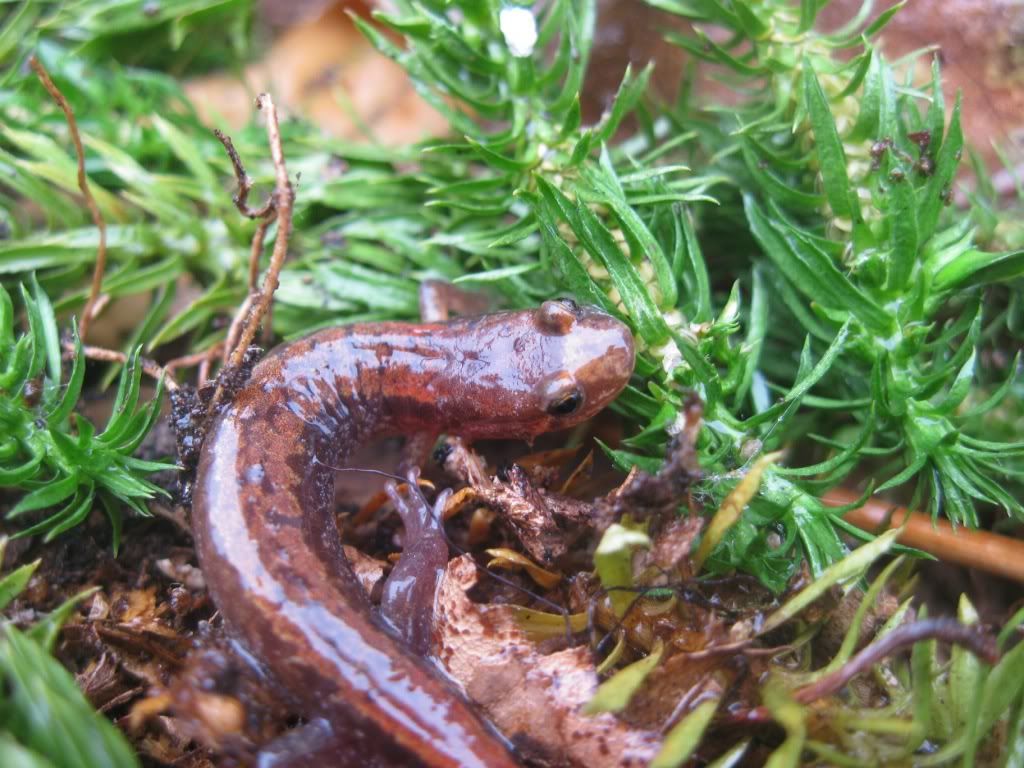
This Gyrinophilus porphyriticus porphyriticus (Northern Spring Salamander) was actually found under a rock in about 10 inches of water, which is not what I was expecting to find. This species seems so blah now after finding the G. p. danielsi yesterday.
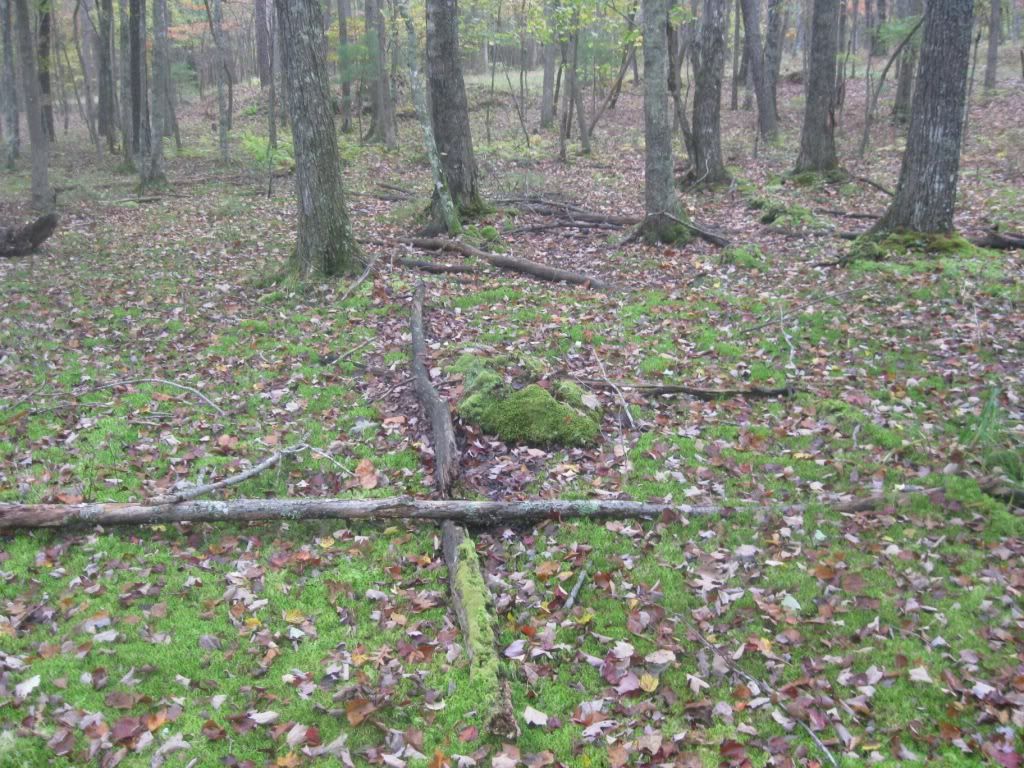
With darkness fast approaching and a road trip back home we decided to leave the stream and head to a sphagnum swamp that bordered a vernal pond. It should be noted that this picture was actually taken a few weeks back while I was driving through this area. If you only knew how much it killed me to not be able to stop and herp it then.
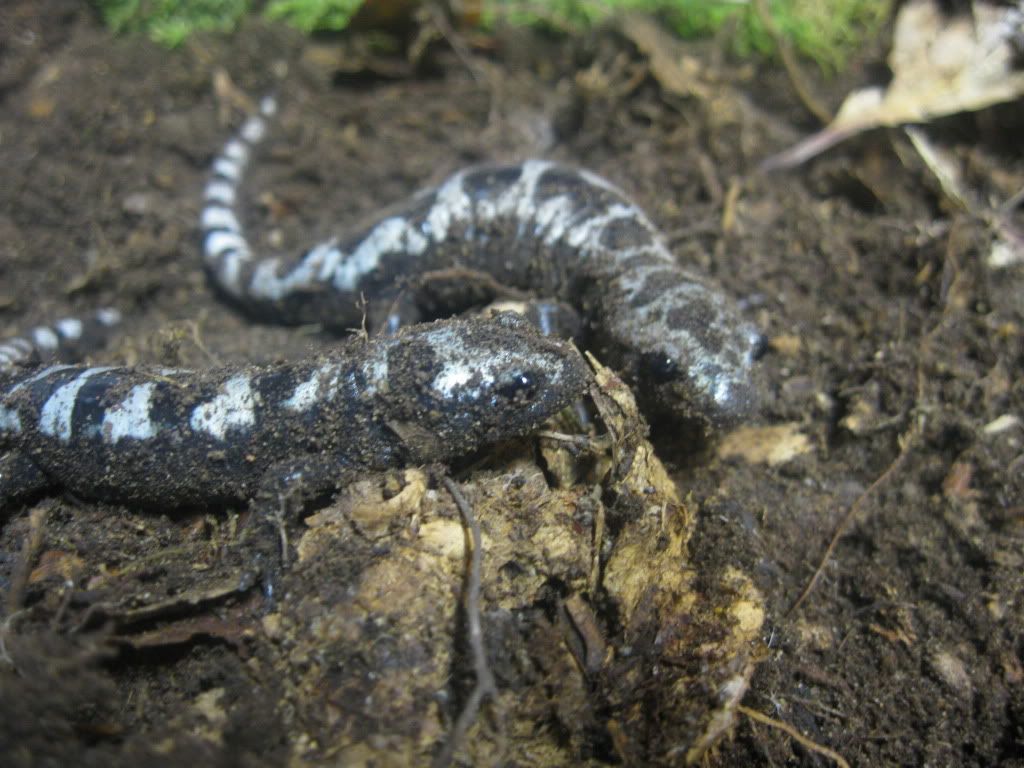
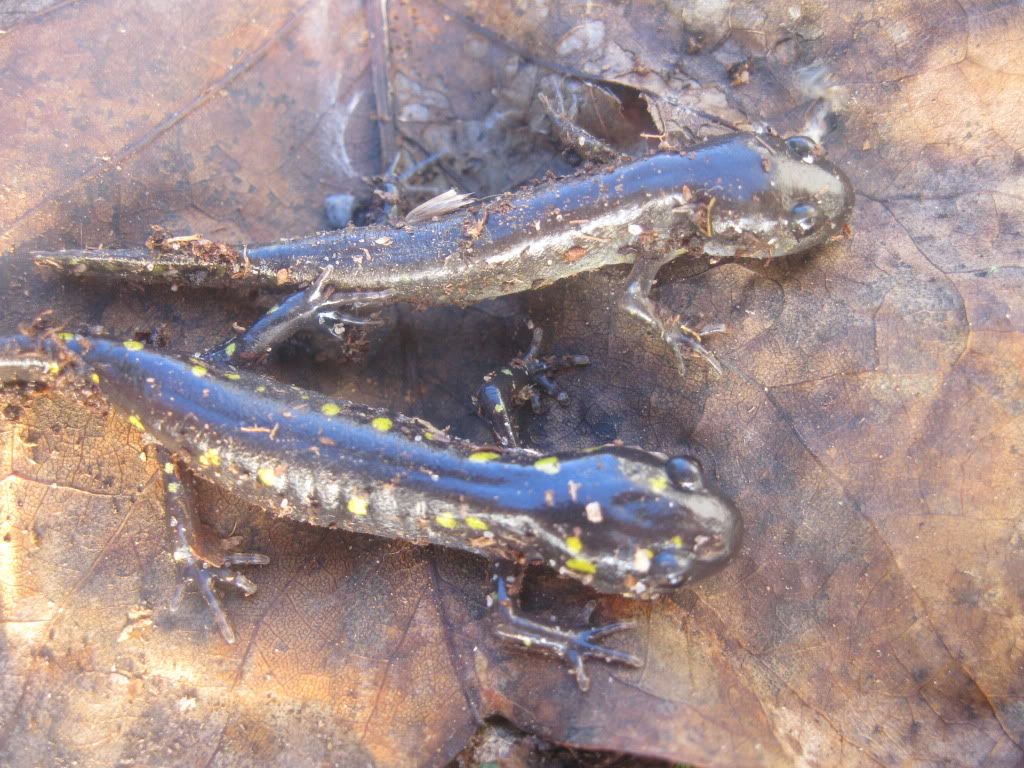
It didn't take long for us to start finding various Ambystoma species like these Amybstoma opacum (marbled Salamander). These 2 were found under the same log and I thought maybe it was a pair but it instead was 2 males. Actually out of the 11 opacum we found all of them were males. I guess the females will be arriving shortly to lay their eggs.
We turned up all kinds of Ambystoma maculatum (Spotted Salamander) morphs but not one single adult specimen.
Normal morph
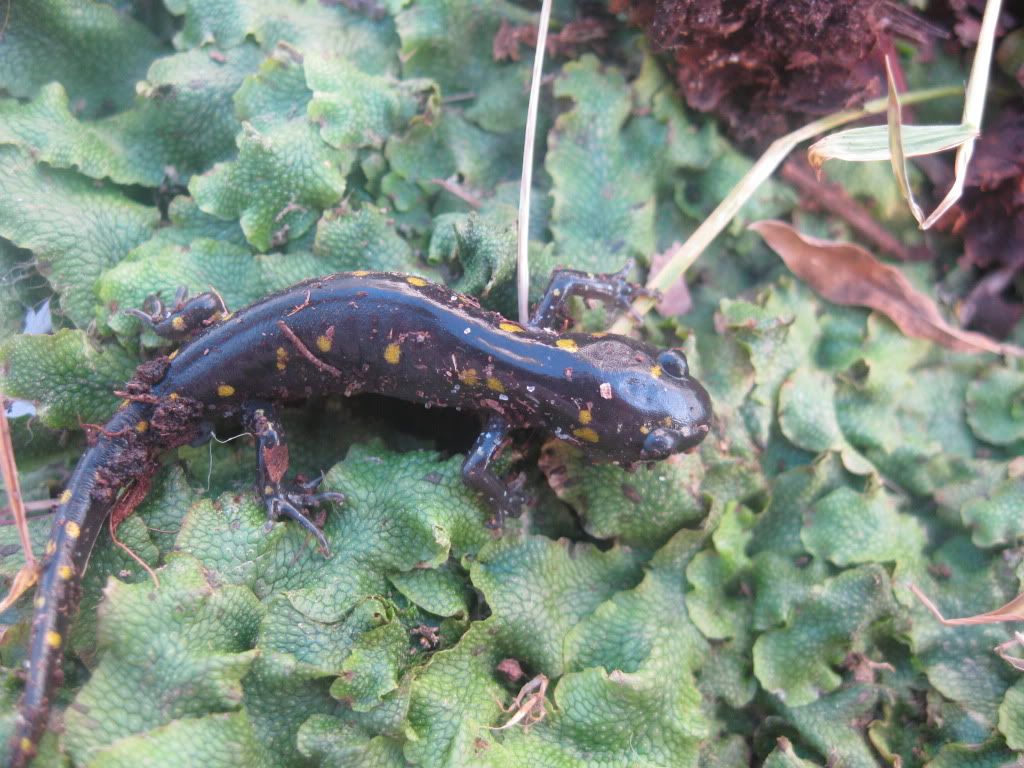
Unspotted morph we found.
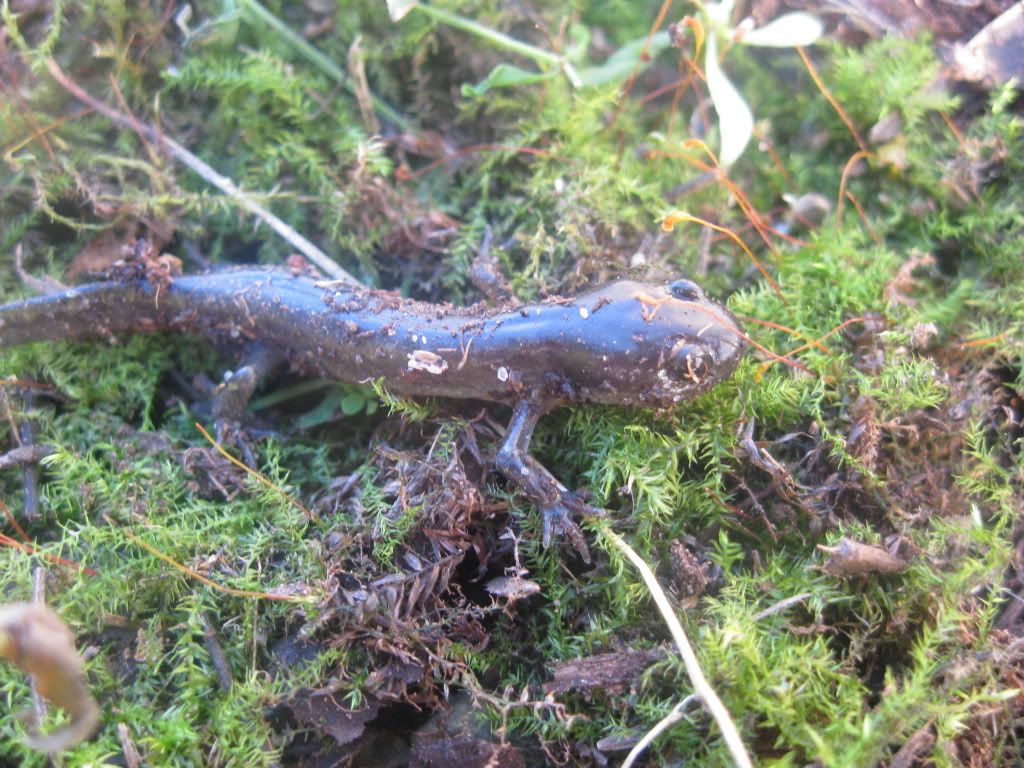
Comparison shot.
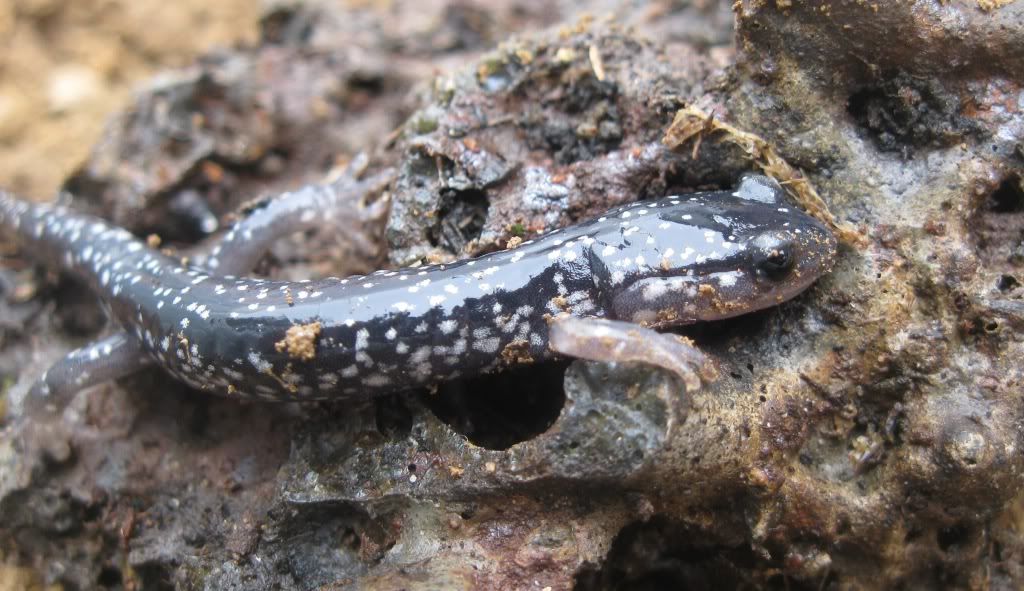
This Plethodon cylindraceus (White-spotted Slimy Salamander) was a nice break in the Ambystoma fest. Once again the only way I am sure this is P. cylindraceus is because it was found in a county where P. glutinosus aren't known to occur.
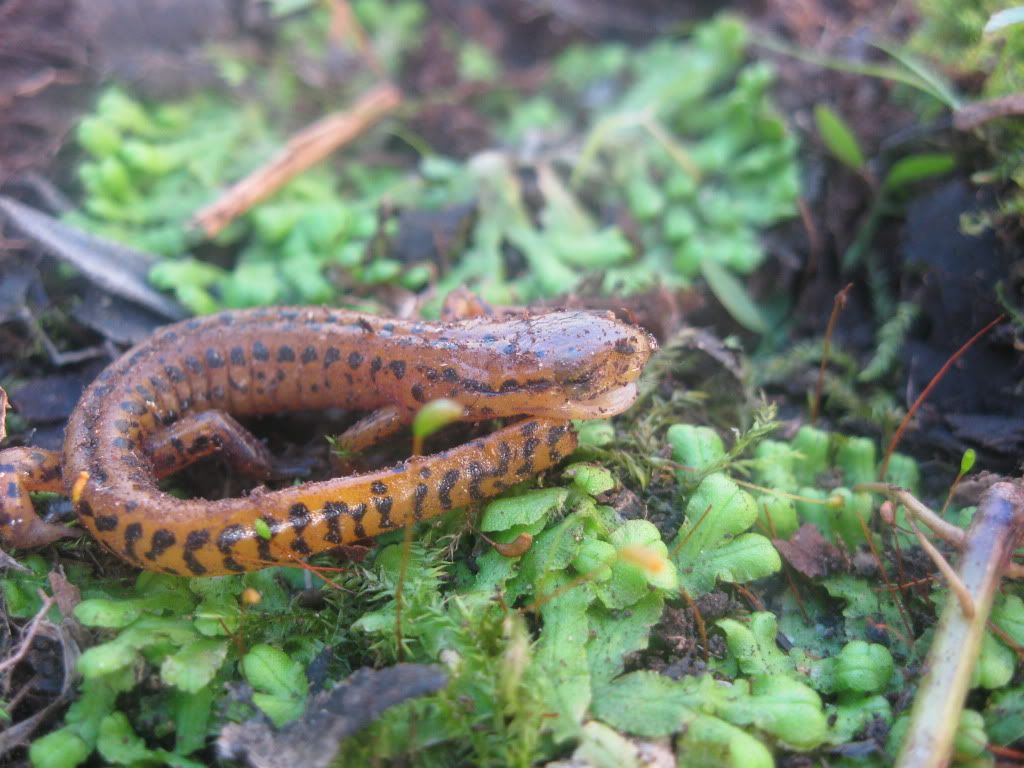
To cap off the day and trip was this Eurycea longicauda (Long-tailed Salamander). I never could get any real good pictures of it, this was another flighty individual.
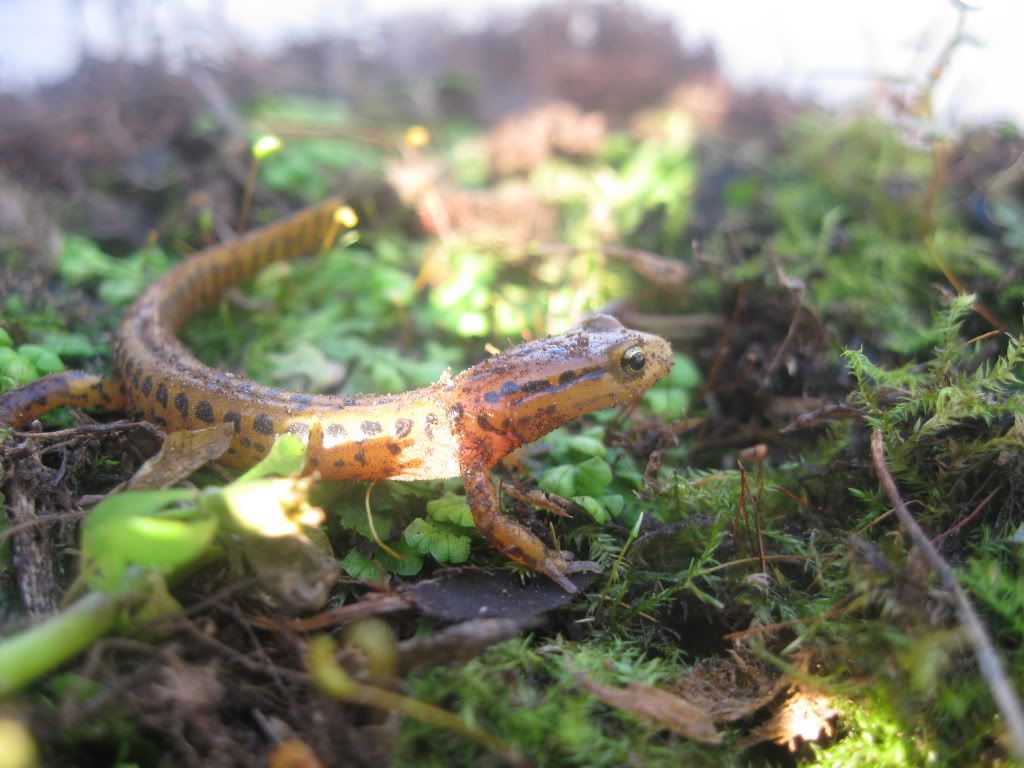
Here it is mid yawn.
And there you have what a weekend of herping is like for me here in Virginia. I am so spoiled.
This is what we awoke to.
Now I'll be honest with you I didn't expect to find much if anything at all, but boy was I in for a pleasent surprise.
Once again we started the day out in some woodland habitat. The first rock I flipped of the day I found this Plethodon metcalfi (Southern Grey-cheeked Salamander). These are formerly of the P. jordani complex. Not a bad way to start the day eh?
Pictures really don't do these guys justice.
Finally found some adult Desmognathus fuscus fuscus (Northern Dusky Salamander).
Of course Plethodon cinereus were everywhere.
A couple of Plethodon glutinosus (Northern Slimy Salamander) decided to make an appereance. The only reason I am sure these are P. glutinosus is because they were found in a county were P. cylindraceus aren't know to occur in. Otherwise there isn't really any other way to tell the two species apart in the field. I really wish this guys face had been in focus.
This P. glutinosus has to be the sickliest salamander I have ever found.
Among the many Eurycea wilderae we found in the area I found this cool looking, almost spotless variation.
This Desmognathis fuscus conanti (Spotted Dusky Salamander) was a pain in the.... well you know what goes there. It just would not sit still for anything, guess he didn't like hanging onto that rock.
Now that the sun had been shining for a couple of hours and had melted off all the snow we decided to head to one of the local lakes and one of it's feeder streams.
Here is my little herping buddy Tyler with his container just waiting to get back to some action.
Sonya, known as lillizz on here, was flipping rocks along the bank of the lake and found this awesome Thamnophis sirtalis sirtalis (Eastern Garter Snake).
But wait, that wasn't the only snake found that day. I flipped this Regina septemvittata (Queen Snake) about an hour later.
At one point while the kids were playing in the woods just off the lake bank they started hollering they found newts EVERYWHERE! Sure enough there were what seemed like hundreds of adult Notophthalmus viridecens viridescens (Eastern Newts) just wandering about on the forest floor without a care in the world. You actually had to watch where you stepped just so you didn't step on any.
Once we finally made it to the feeder creek we started finding Desmognathus orestes (Blue-Ridge Dusky Salamander). This one had quite a noticeable pink tint to it's head.
We also found more Desmognathus ochrophaeus (Mountain Dusky Salamander). These guys had a different pattern altogether than the ones we had previously found on Saturday. Just goes to show how variable this species is.
This Gyrinophilus porphyriticus porphyriticus (Northern Spring Salamander) was actually found under a rock in about 10 inches of water, which is not what I was expecting to find. This species seems so blah now after finding the G. p. danielsi yesterday.
With darkness fast approaching and a road trip back home we decided to leave the stream and head to a sphagnum swamp that bordered a vernal pond. It should be noted that this picture was actually taken a few weeks back while I was driving through this area. If you only knew how much it killed me to not be able to stop and herp it then.
It didn't take long for us to start finding various Ambystoma species like these Amybstoma opacum (marbled Salamander). These 2 were found under the same log and I thought maybe it was a pair but it instead was 2 males. Actually out of the 11 opacum we found all of them were males. I guess the females will be arriving shortly to lay their eggs.
We turned up all kinds of Ambystoma maculatum (Spotted Salamander) morphs but not one single adult specimen.
Normal morph
Unspotted morph we found.
Comparison shot.
This Plethodon cylindraceus (White-spotted Slimy Salamander) was a nice break in the Ambystoma fest. Once again the only way I am sure this is P. cylindraceus is because it was found in a county where P. glutinosus aren't known to occur.
To cap off the day and trip was this Eurycea longicauda (Long-tailed Salamander). I never could get any real good pictures of it, this was another flighty individual.
Here it is mid yawn.
And there you have what a weekend of herping is like for me here in Virginia. I am so spoiled.