Dry Shrimp - Red Gammarus Pulex

Mark

Administrator
Staff member
Joined
Oct 14, 2004
Messages
3,259
Reaction score
67
Points
48
Location
Bristol
Country
United Kingdom
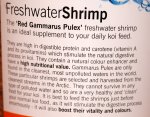
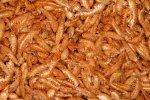
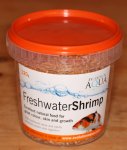
I spotted these in the koi section of my local fish shop. After a 10-15min soak in warm water to soften them slightly (even alive I think they'd be crunchy) I tweezer fed them to a wide selection of newts, both aquatic and terrestrial. Mostly they were well accepted although there was the odd rejection. As an occasional supplement I think they might be a good source of carotene and being dry will have a long shelf life.

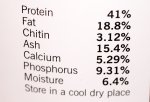
Anyone else tried these as a long term supplement? How do the nutritional values compare with other dried invertebrates?
 

Attachments

  • shrimp1.jpg
    shrimp1.jpg
    367.6 KB · Views: 13,581
  • shrimp2.jpg
    shrimp2.jpg
    283.2 KB · Views: 2,247
  • shrimp blurb.jpg
    shrimp blurb.jpg
    282.3 KB · Views: 1,102
  • shrimp nutrition.jpg
    shrimp nutrition.jpg
    158.8 KB · Views: 1,460
I have used these in the past and just tried them again now, in the past I found that tended to spit them out then try them again spit them out etc. I think the trick is too soften them up, as you say, they seem to be quite resilient to breaking up in the water..

Also they are floaters and my newts have always been terrible at picking things up from the surface, water tension and their tails does not seem to get them to where they aim in deep tanks ...bottom feeders... :eek: Low water levels and soaking works well otherwise its tweezers... They are small though so its somewhat of a pain to fill up an adult newt.
 
I spotted these in the koi section of my local fish shop. After a 10-15min soak in warm water to soften them slightly (even alive I think they'd be crunchy) I tweezer fed them to a wide selection of newts, both aquatic and terrestrial. Mostly they were well accepted although there was the odd rejection. As an occasional supplement I think they might be a good source of carotene and being dry will have a long shelf life.

Anyone else tried these as a long term supplement? How do the nutritional values compare with other dried invertebrates?

I'd have to compare them to the reported values for other invertebrates but they are an important source of carotenoids other than carotene such as astaxanthin. People often assume that carotene is the only carotenoid that is needed by amphibians but this has not been the case in other taxa (particularly anurans). Carotenes are not efficiently converted to retinol by amphibians which means that most captive amphibians are deficient in vitamin A which can directly impact fertility, development of embryos and/or immune responses.
In at least the aquatic tadpole stage, tadpoles use astaxanthin to form vitamin A and there is little evidence to indicate that caudates are any different.

Ed
 
I had a lot of these mixed with a dry turtle food i bought for my axolotl and he loved them the only thing is that they float and take ages to sink.
 
Mark, do your kaiseri eat these? I know in the wild neurergus eat alot of gammarus-type shrimp.
 
General chit-chat
Help Users
  • No one is chatting at the moment.
    There are no messages in the chat. Be the first one to say Hi!
    Back
    Top