wolfen
Well-known member
- Joined
- Feb 12, 2022
- Messages
- 2,295
- Reaction score
- 867
- Points
- 113
- Age
- 51
- Location
- england
- Country
- United Kingdom
if she is tubbed.. use two tubs of equal size (preferably glass), fill both with water, add dechlorinator to one whilst leaving other to sit over night (put in air stone), put axolotl in tub which is dechlorinated, after twenty four hours remove axolotl and put her in the other tub, wash used tub well than refill with water and let sit twenty four hours repeat until ready to go in tank, the reason for allowing water to sit twenty four hours is to let any chlorides to vent of without using a dechlorinator, this is to try to reduce oxygen depletion which dechlorinators can cause.
if she is in tank.. fill a tub/bucket which is equal to amount of water being replaced, leave it twenty four hours, remove water from tank and add water from tub/bucket then refill tub/bucket ready for next water change.
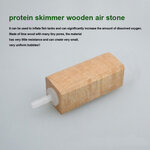
an air stone can be added to the tub/bucket helping to oxygenate it for when needed.
be aware that whilst she is in low levels of water the ammonia levels will rise faster, these will need monitoring.
use 2g/l non-iodised salt in any water that she is in, this will help reduce affects from any ammonia spikes and will help with the damaged/regressed gills.
ensuring an adequate carnivore diet will help protect organs, make sure your ph kh gh are within ideal levels, if they aren't good/ideal a solution such as holtfreters may be required.
allowing an air stone/s to be placed in tank/tub without her gulping bubbles may require some thought, perhaps fit under gravel filter (gravel and filter in name only) to allow for airstones to be placed down the tubes which will also circulate water whilst preventing bubble swallowing.
if she is in tank.. fill a tub/bucket which is equal to amount of water being replaced, leave it twenty four hours, remove water from tank and add water from tub/bucket then refill tub/bucket ready for next water change.
an air stone can be added to the tub/bucket helping to oxygenate it for when needed.
be aware that whilst she is in low levels of water the ammonia levels will rise faster, these will need monitoring.
use 2g/l non-iodised salt in any water that she is in, this will help reduce affects from any ammonia spikes and will help with the damaged/regressed gills.
ensuring an adequate carnivore diet will help protect organs, make sure your ph kh gh are within ideal levels, if they aren't good/ideal a solution such as holtfreters may be required.
allowing an air stone/s to be placed in tank/tub without her gulping bubbles may require some thought, perhaps fit under gravel filter (gravel and filter in name only) to allow for airstones to be placed down the tubes which will also circulate water whilst preventing bubble swallowing.
Last edited: